
The Default Market Offer Isn't a Discount — It's a Safety Net
And if you're paying above DMO/VDO, you're being overcharged
Australian electricity bills seem to always be climbing, but the good news is you have more control over your costs than you might think. From simple switches like LED bulbs to strategic tariff management, there are proven ways to cut your monthly charges without sacrificing comfort.

Australian electricity bills are climbing, but the good news is you have more control over your costs than you might think. From simple switches like LED bulbs to strategic tariff management, there are proven ways to cut your monthly charges without sacrificing comfort.
These strategies work best when combined, creating a comprehensive approach to electricity savings. Let's explore exactly how to implement each one effectively.
Australian electricity bills consist of two main components that determine your total costs:
Understanding this split matters because it reveals where your efforts will have the most impact. A household consuming 15 kWh daily could face usage charges of $3-$6 per day, while supply charges remain constant. This means behavioural changes and efficiency improvements can significantly reduce the variable portion, which often represents 60-80% of your total bill.
Peak demand charges are becoming increasingly common in Australian electricity plans, particularly for households with smart meters. These charges are based on your highest 30-minute usage period during peak times (typically 3pm-9pm on weekdays) and can add $50-$200 to monthly bills for homes with poor demand management.
Your demand charge is calculated by measuring your maximum power draw during any half-hour period in the billing cycle. If you run your air conditioner, electric oven, and dryer simultaneously during peak hours, you could trigger a demand spike that affects your entire month's charges. According to the Australian Energy Regulator, demand charges can represent up to 40% of some electricity bills.
Running your air conditioner, oven, and dryer simultaneously during peak hours creates a demand spike that haunts your bill all month long.
To flatten your demand profile, spread high-consumption activities throughout the day rather than concentrating them during peak periods. Running major appliances sequentially rather than simultaneously can reduce your peak demand by 30-50%, translating to substantial monthly savings without reducing overall comfort or convenience.
Switching from incandescent bulbs to LEDs delivers one of the fastest returns on investment in home energy efficiency. A traditional 60W incandescent bulb costs approximately $22 per year to run (at 30¢/kWh for 6 hours daily), while an equivalent 10W LED costs just $3.65 annually. With LED bulbs now available for $5-$10 each, they pay for themselves within 6-12 months.
Priority areas for LED conversion include frequently used spaces such as kitchens and living rooms, as well as outdoor security lighting. A typical Australian home with 20 light fixtures could save $300-$400 annually by completing a full LED transition. Focus first on lights used more than 3 hours daily for maximum impact.
Beyond direct energy savings, LEDs last 15-25 times longer than incandescent bulbs, reducing replacement costs and maintenance time. Their lower heat output also reduces cooling loads in summer, providing additional indirect savings on air conditioning costs.
 Richard Foxworthy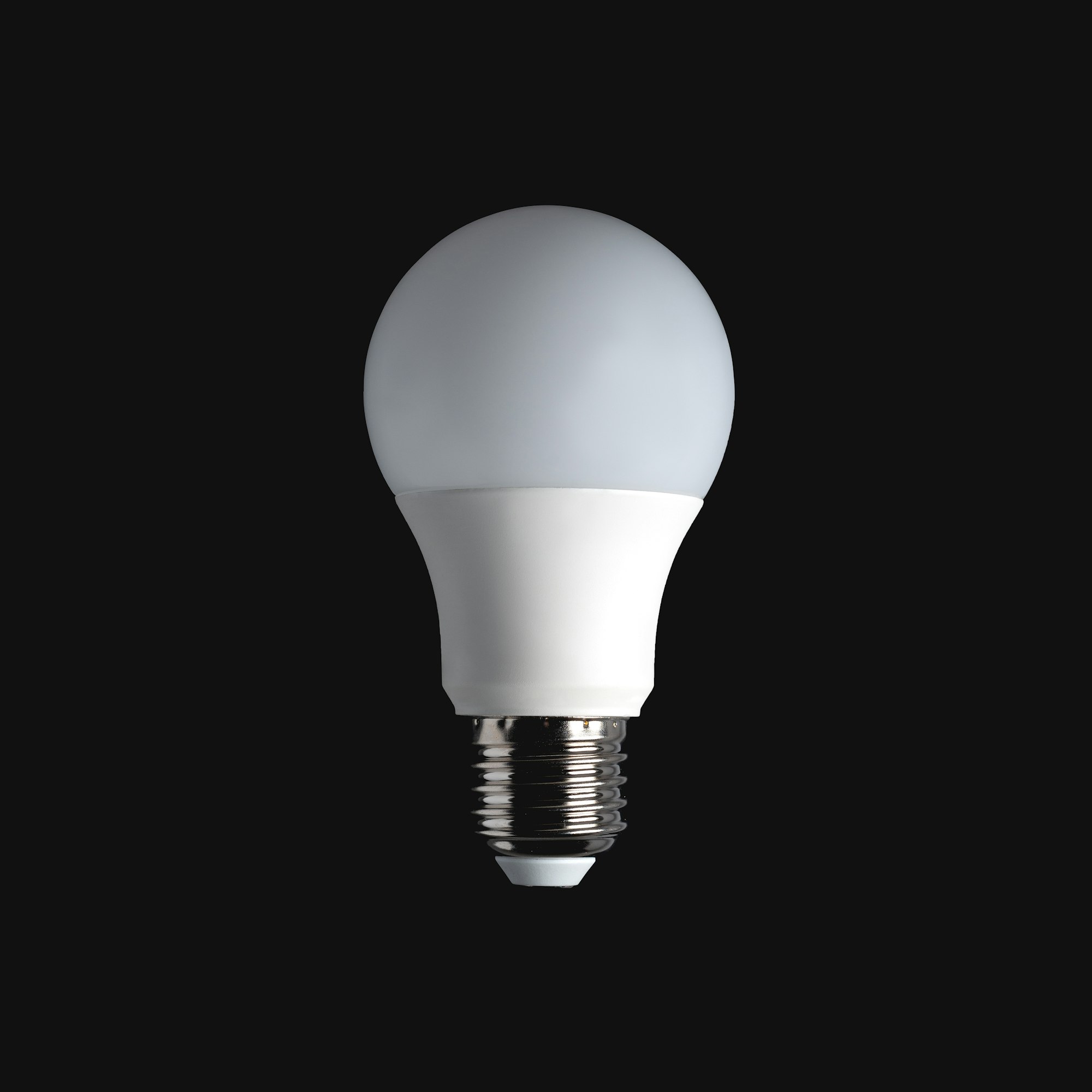
Fine-tuning your appliance settings can reduce energy consumption by 20-30% without sacrificing functionality. Your refrigerator should maintain 3-4°C in the fresh food compartment and -15°C to -18°C in the freezer. Each degree colder than necessary increases energy use by approximately 5%, potentially adding $30-$50 to annual running costs.
 Richard Foxworthy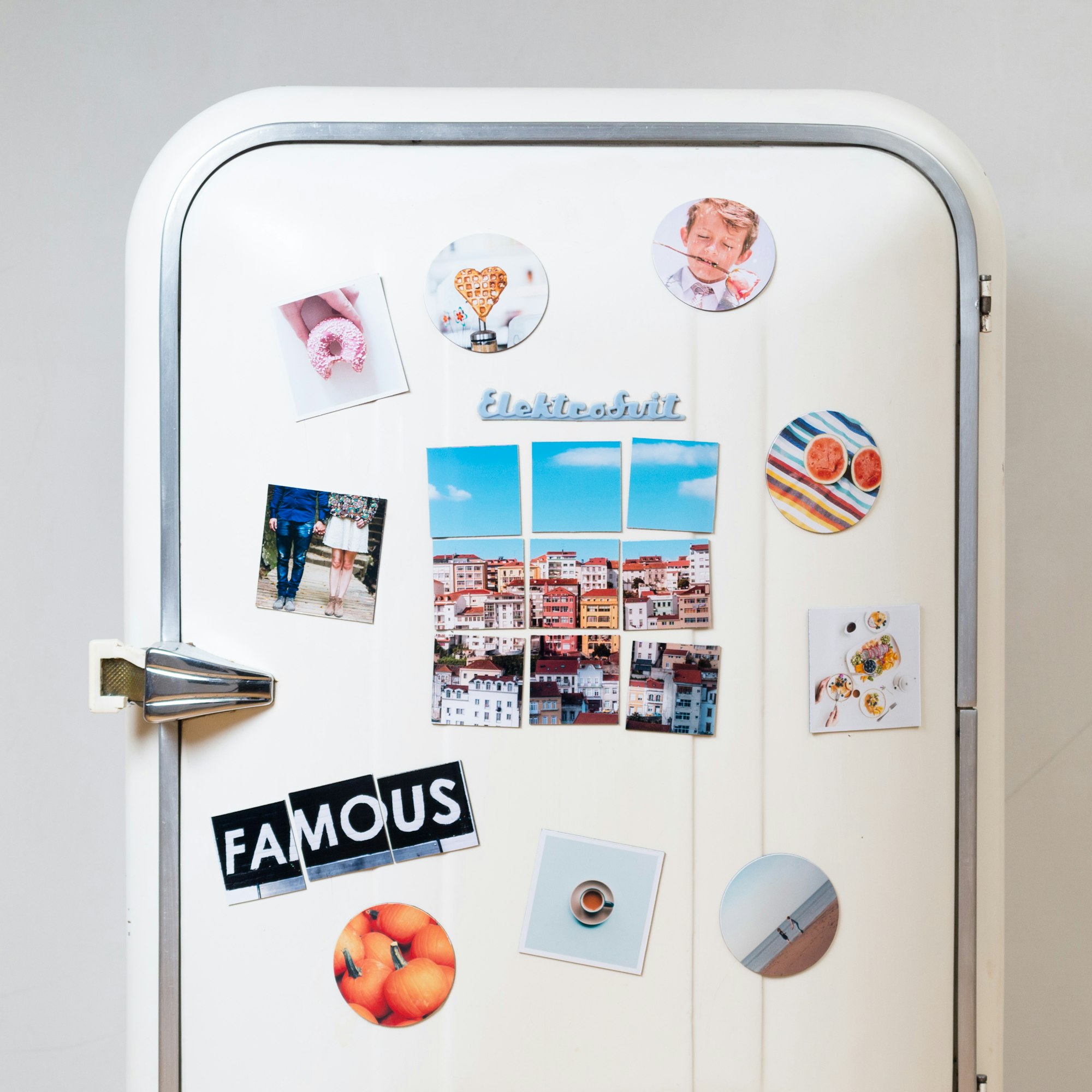
Air conditioning represents the largest energy expense for many Australian homes during summer. AEMO data shows that cooling can account for 40% of household electricity use on hot days. Setting your air conditioner to 24-25°C instead of 20°C can reduce cooling costs by 30-50%. Each degree of cooling below 24°C increases energy consumption by 5-10%.
Setting your air conditioner to 24°C instead of 20°C can halve your cooling costs—yet most Aussies have it cranked too low.
Hot water systems consume 25% of household energy on average. Reducing your hot water thermostat from 70°C to 60°C maintains safe temperatures while cutting heating costs by 10%. For instantaneous systems, 50°C provides adequate comfort while maximising efficiency. Timer controls on storage systems can further reduce costs by heating water only when needed.
 Richard Foxworthy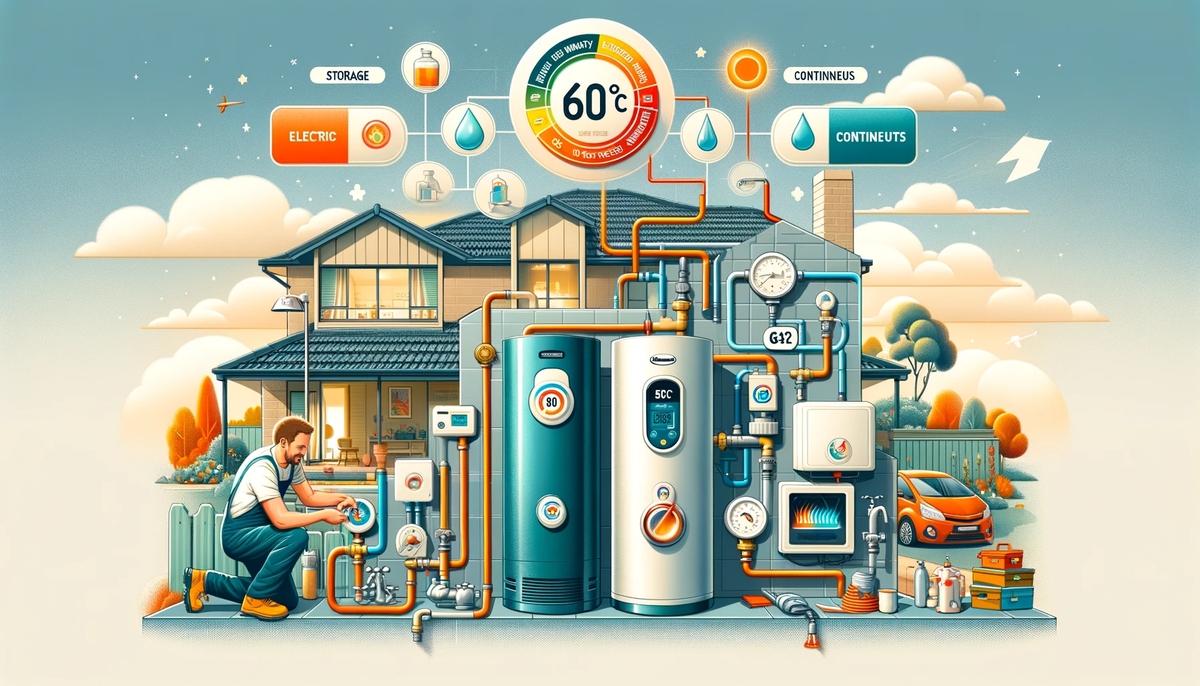
Standby power consumption costs Australian households $100-$200 annually. Common culprits include televisions, gaming consoles, computer equipment, and kitchen appliances with digital displays. These devices continuously draw 1-10 watts even when "off," collectively wasting significant energy.
Smart power strips offer an effective solution, automatically cutting power to peripheral devices when the main appliance switches off. A $30-$50 smart power strip can eliminate 80% of standby consumption for entertainment centres or home offices, paying for itself within 6-12 months. Alternatively, simple timer switches work well for devices used on predictable schedules.
Priority targets for standby elimination include older set-top boxes (consuming up to 20W continuously), game consoles in instant-on mode (10-15W), and computer peripherals. Simply switching off these devices at the wall when not in use can reduce your electricity bill by 5-10% with zero upfront investment.
Time-of-use (ToU) tariffs divide the day into peak, shoulder, and off-peak periods with different rates for each. Peak rates (typically 3pm-9pm weekdays) can reach 40-50¢/kWh, while off-peak rates (10pm-7am) often drop to 15-20¢/kWh. Shoulder periods fall between these extremes at 25-30¢/kWh.
ToU tariffs suit households that can shift usage to cheaper periods. If you work from home, have battery storage, or run pool pumps and other flexible loads, these tariffs can reduce costs by 20-30%. However, families with rigid schedules that consume most of their power during peak times may pay more.
State variations affect ToU structures significantly. Victorian distributors offer more granular time bands, while Queensland's Tariff 12A includes super off-peak rates as low as 12¢/kWh. Understanding your local tariff options enables you to make informed decisions about whether switching from flat rates makes financial sense.
Strategic load shifting can dramatically reduce electricity costs on ToU tariffs. Pool pumps, which typically run 6-8 hours daily, cost $300-$500 annually on peak rates but only $100-$200 on off-peak schedules. Installing a simple timer to run pumps overnight delivers immediate savings.
Washing machines, dishwashers, and dryers are ideal candidates for time-shifting. Running these appliances after 10pm or on weekends can halve their operating costs. Modern appliances with delay-start functions make this particularly convenient. A family doing 7 loads weekly could save $100-$150 annually through strategic scheduling alone.
Smart home technology enhances load-shifting opportunities. WiFi-connected switches and smart plugs enable remote control and scheduling of various devices. Electric vehicle owners particularly benefit, as overnight charging on off-peak rates costs 60-70% less than daytime charging, potentially saving $500-$1,000 annually for regular commuters.
Smart meters provide detailed consumption data in 30-minute intervals, revealing exactly when and how you use electricity. Accessing this data through your retailer's app or web portal identifies usage patterns and waste. Most Australian retailers now offer free access to smart meter data, with some providing real-time monitoring.
Popular energy monitoring apps like Powerpal and Wattwatchers, as well as retailer-specific platforms, translate raw data into actionable insights. These tools highlight unusual consumption spikes, compare your usage to similar households, and estimate individual appliance costs. Regular monitoring helps identify failing appliances consuming excess power—a deteriorating fridge seal alone can add $50-$100 to annual running costs.
Interpreting usage patterns reveals surprising opportunities. Many households discover their hot water system activates during expensive peak periods, or that forgotten appliances like heated towel rails consume $200+ annually. Armed with specific data, you can target the highest-impact changes rather than guessing where to focus efficiency efforts.
Weather sealing delivers exceptional returns for minimal investment. Door snakes, weather strips, and gap filler cost under $100 total but can reduce heating and cooling losses by 15-25%. Sustainability Victoria research shows that sealing gaps around doors and windows saves typical households $150-$300 annually.
 Richard Foxworthy
Ceiling insulation upgrades offer compelling payback periods, particularly for homes built before modern standards. Adding R2.5 batts to uninsulated ceilings costs $1,000-$2,000 but can reduce heating and cooling needs by 40%. With potential annual savings of $300-$500, insulation pays for itself within 3-5 years while improving year-round comfort.
 Richard Foxworthy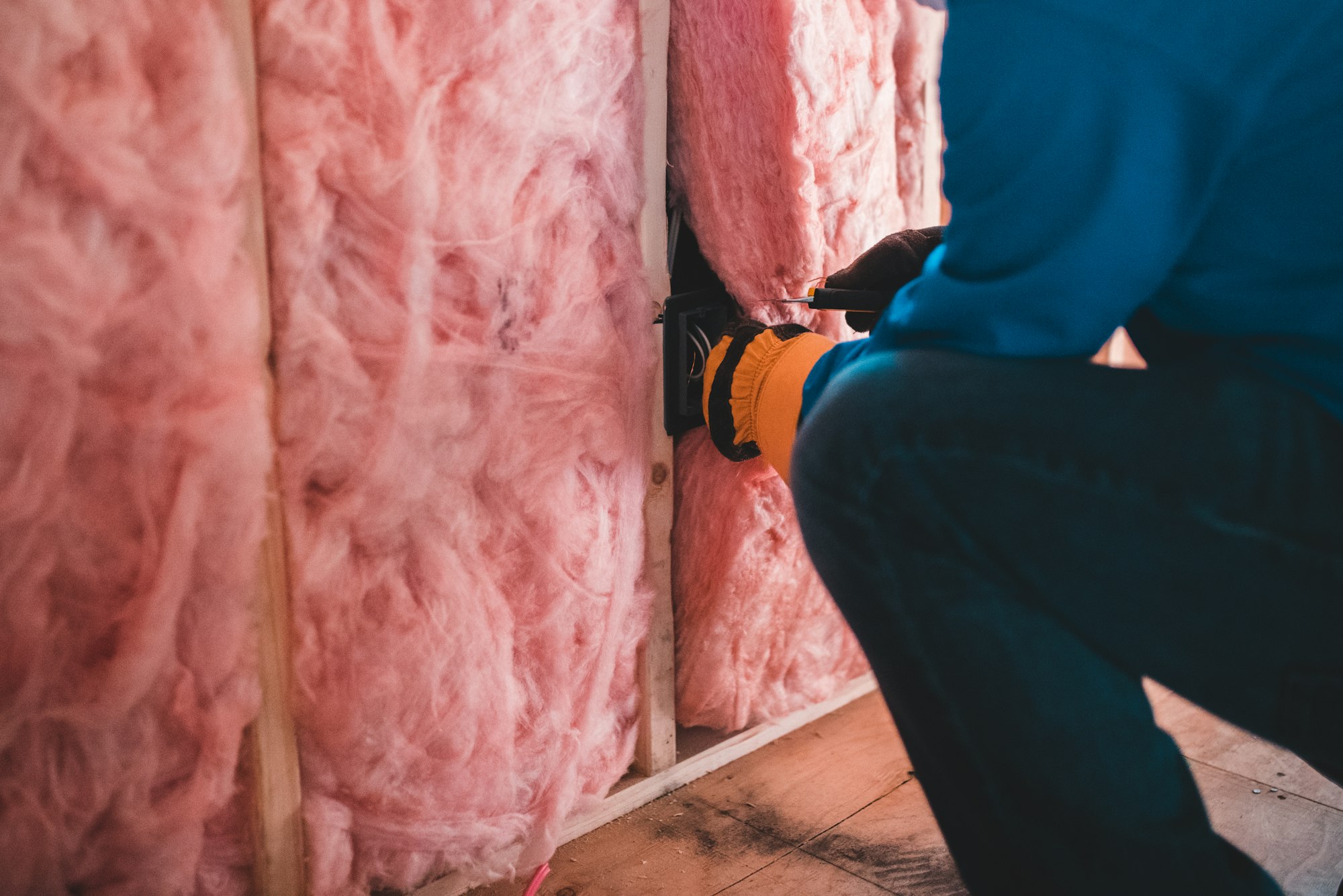
Heat pump hot water systems represent a significant upgrade opportunity. While costing $3,000-$4,000 installed, they use 60-75% less electricity than traditional electric storage units. For households spending $600+ annually on hot water, heat pumps deliver $400-$450 yearly savings. State rebates and STCs can reduce upfront costs by $1,000+, improving payback to 4-6 years.
Proper solar sizing maximises financial returns by balancing self-consumption with feed-in credits. A typical Australian household consuming 20kWh daily benefits most from a 6.6kW system, generating 25-30kWh on average. This size enables 60-70% self-consumption while earning feed-in credits for excess generation.
Current feed-in tariffs range from 5-12¢/kWh, while grid electricity costs 25-35¢/kWh, making self-consumption three times more valuable than exports. A well-sized 6.6kW system costing $6,000-$8,000 after STCs saves $1,200-$1,800 annually for homes with good solar exposure. This delivers payback within 4-5 years with systems lasting 25+ years.
State-based incentives significantly impact solar economics. Victorian households can access interest-free loans up to $1,850, while NSW offers additional rebates for low-income households. Queensland's generous feed-in rates make slightly oversized systems more attractive. Understanding local incentives helps optimise system design for maximum returns.
Battery storage economics depend heavily on your electricity tariff structure and usage patterns. Time-of-use customers benefit most, as batteries enable arbitrage between 15¢/kWh off-peak rates and 45¢/kWh peak rates. A 10kWh battery system cycling daily could save $700-$1,000 annually through rate arbitrage alone.
Backup power capabilities add value beyond pure financial returns. As extreme weather events increase grid instability, batteries provide backup power for critical loads during outages. Medical equipment users, home businesses, and those in bushfire-prone areas particularly value this resilience, making batteries worthwhile despite longer payback periods.
Integration with existing solar requires careful planning. DC-coupled batteries achieve 95% round-trip efficiency, compared with 90% for AC-coupled systems, but retrofit options are limited. A 10kWh battery system costs $8,000-$12,000 installed, with payback periods of 7-10 years based on usage patterns and tariff structures. Virtual Power Plant programs offering annual payments of $200-$400 can significantly improve these economics.
Slashing your electricity bill doesn't require extreme lifestyle changes or massive upfront investments. The strategies outlined here—from simple thermostat adjustments to strategic tariff management—can collectively reduce your energy costs by 30-50% when implemented thoughtfully.
Start with the quick wins: swap to LEDs, adjust your appliance settings, and eliminate standby power. These changes cost little but deliver immediate results. Then explore whether time-of-use tariffs suit your lifestyle and consider weather sealing or insulation upgrades for lasting efficiency gains.
As Australia's energy market continues evolving with new technologies and pricing structures, staying informed about your options becomes increasingly valuable. Monitor your usage patterns, understand your tariff structure, and don't hesitate to switch retailers when better deals emerge. The combination of smart consumption habits and regular plan reviews ensures you're never paying more than necessary for the energy you need.
Remember: every kilowatt-hour saved is money back in your pocket. And with Bill Hero automatically finding and securing the best energy deals for your specific usage patterns, you can focus on implementing these savings strategies while we handle the complex work of keeping you on the most competitive plan available.

Working from home has become the new normal for millions of Australians, but many are discovering an unwelcome side effect: skyrocketing energy bills. The good news? There are proven strategies to keep your costs down while maximising your tax deductions.

Small business owners are feeling the pinch from rising energy costs, but the good news is there are proven ways to slash your power bills without sacrificing productivity. Here's what you need to know to start saving immediately.

Gas bills can be a significant household expense, especially during Australia's colder months. With the right strategies, you can substantially reduce your gas consumption without sacrificing comfort or convenience.

Sign up for Savings as a Service, Bill Hero's monthly newsletter full of tips, practical advice and the latest info to help you save on your bills.